

How Dutch Logistics Companies Dominate Global Trade
Introduction: A Small Country with Outsized Logistics Power
The Netherlands continues to hold a disproportionately influential position in global trade, functioning as a strategic gateway between continents and as a sophisticated distribution hub for multinational supply chains. Despite its modest geographic size and population, the country has cultivated a logistics ecosystem that consistently ranks at the top of international competitiveness indices, and this performance is not accidental but the result of deliberate policy, long-term infrastructure investment, private-sector innovation and a deeply embedded trading culture that dates back centuries. For readers of business-fact.com, understanding how Dutch logistics companies have achieved and sustained this dominance offers a practical blueprint for navigating supply chain complexity, managing geopolitical risk and leveraging technology in an era of rapid economic realignment.
The Dutch logistics model rests on a powerful combination of physical assets such as world-class ports and airports, advanced digital infrastructure, a highly skilled workforce, and an institutional environment that encourages experimentation and cross-border collaboration. Organizations ranging from Royal Dutch Shell and Unilever to global logistics specialists like DHL, Kuehne+Nagel and Maersk have long used the Netherlands as a central node in their European and global networks, while Dutch-headquartered players such as Royal Vopak, PostNL, KLM Cargo and Port of Rotterdam Authority have built global reputations for operational excellence. As supply chains become more digitized, decarbonized and data-driven, the Dutch approach to logistics is increasingly relevant to executives focused on technology, investment and long-term competitiveness.
Historical Roots of Dutch Trade Dominance
The roots of Dutch logistics leadership can be traced to the seventeenth-century Dutch East India Company (VOC), often cited as one of the world's first multinational corporations and a pioneer in long-distance maritime trade. The institutional and cultural legacy of the VOC era, including sophisticated risk-sharing mechanisms, standardized contracts and a strong orientation toward international markets, shaped a business environment that remains outward-looking and trade-centric. The Netherlands' early development of modern financial markets in Amsterdam, described by the Bank for International Settlements as a precursor to contemporary capital markets, created the financial infrastructure that underpinned large-scale trade financing and insurance, which in turn supported the growth of maritime logistics.
Over time, this historical foundation evolved into a modern logistics strategy anchored in open trade policies, efficient customs procedures and a regulatory framework that encourages competition while maintaining high safety and environmental standards. Institutions such as Statistics Netherlands (CBS) provide detailed trade and transport data, enabling both policymakers and private companies to make evidence-based decisions about infrastructure investment and capacity planning. This long-term continuity of purpose, with trade and logistics treated as core national priorities rather than peripheral sectors, has given Dutch companies a stable platform from which to expand globally, even as other countries cycle through more protectionist or inward-looking phases.
Strategic Geography and the Gateway Function
The Netherlands' geographic position at the mouth of major European rivers such as the Rhine, Meuse and Scheldt gives it direct access to the industrial heartlands of Germany, France, Switzerland and beyond, enabling Dutch companies to function as natural intermediaries between global maritime routes and inland European markets. The Port of Rotterdam, consistently ranked among the largest ports in the world by UNCTAD, serves as a primary entry point for energy products, containers, chemicals and agricultural commodities destined for the wider European economy. Its deep-water access allows it to handle the largest container vessels, while extensive hinterland connections via barge, rail and truck ensure rapid distribution into the continent.
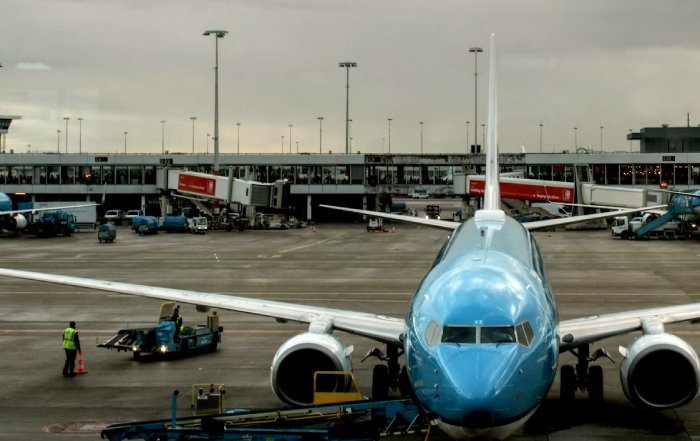
Complementing Rotterdam is the Port of Amsterdam, with strengths in energy, agribulk and breakbulk, and a growing role in circular economy logistics. Meanwhile, Schiphol Airport functions as one of Europe's leading air cargo hubs, connecting high-value and time-sensitive goods from Asia, North America and the Middle East to European consumers and manufacturers. The integrated multimodal network that links these hubs is supported by dense road and rail infrastructure, including connections to Germany's Ruhr area and beyond, as well as inland terminals that extend the Dutch logistics footprint deep into Central and Eastern Europe. For global businesses seeking to optimize their European distribution, this gateway function often makes the Netherlands the default choice for regional headquarters and fulfillment centers, an advantage reflected in the country's strong performance in the World Bank's logistics performance rankings.
Infrastructure Excellence and Multimodal Connectivity
Dutch dominance in logistics is inseparable from its sustained commitment to infrastructure excellence, which combines public investment, private participation and rigorous long-term planning. The Port of Rotterdam Authority has pursued a strategy of continuous modernization, including the Maasvlakte 2 expansion that added deep-sea capacity and automated terminals operated by companies like APM Terminals and ECT. These facilities deploy advanced automated guided vehicles, remote-controlled cranes and sophisticated terminal operating systems that increase throughput while reducing turnaround times and labor-related bottlenecks. The port's integrated pipeline networks and storage facilities, including those operated by Royal Vopak, further enhance its role as a critical energy and chemicals hub.
Inland, the Netherlands has developed an extensive network of barge terminals connected to the Rhine and other waterways, allowing containers and bulk goods to move efficiently by inland shipping rather than relying solely on road transport. This multimodal approach, encouraged by national and EU transport policies, helps reduce congestion and emissions while offering shippers flexibility and resilience. The Dutch rail network, connected to major European freight corridors and managed in part through collaboration with ProRail, supports high-frequency cargo services to hubs in Germany, Italy and Eastern Europe. For time-critical shipments, Schiphol Airport and dedicated air cargo operators provide fast connections to global markets, with integrated logistics parks around the airport hosting third-party logistics providers, e-commerce fulfillment centers and value-added service providers. Businesses evaluating European market entry strategies on business-fact.com/business.html frequently highlight this multimodal connectivity as a decisive factor in choosing the Netherlands as a base of operations.
Digitalization, Artificial Intelligence and Smart Ports
As global supply chains become increasingly data-driven, Dutch logistics companies have been at the forefront of deploying digital technologies, artificial intelligence and automation to enhance visibility, predictability and efficiency. The Port of Rotterdam has marketed itself as a "smart port," partnering with technology firms such as IBM and Cisco to create a digital twin of the port environment that integrates real-time data on ship movements, weather, water levels and terminal capacity. This digital twin allows port operators and shipping lines to optimize arrival times, reduce waiting periods and minimize fuel consumption, aligning operational efficiency with sustainability goals. The port's open data initiatives also enable startups and established firms to develop new applications and analytics solutions that further improve logistics performance.
Across the broader logistics sector, Dutch companies are investing in AI-driven demand forecasting, dynamic routing, warehouse automation and predictive maintenance. Third-party logistics providers and freight forwarders, including Dutch units of DHL, DB Schenker and Kuehne+Nagel, are experimenting with machine-learning models to optimize load factors, reduce empty miles and enhance last-mile delivery performance. E-commerce logistics operations, supported by the national postal operator PostNL and private parcel firms, rely heavily on algorithmic planning tools and real-time tracking to meet consumer expectations for rapid and transparent delivery. Readers interested in the technological underpinnings of these developments can explore artificial intelligence in business and innovation trends to understand how Dutch logistics firms translate data into competitive advantage.
Innovation Ecosystems and Collaborative Culture
One of the distinguishing characteristics of the Dutch logistics landscape is its collaborative innovation culture, in which companies, universities, government agencies and research institutes work together to solve complex supply chain challenges. Institutions such as Delft University of Technology, Erasmus University Rotterdam and Tilburg University maintain strong logistics and supply chain management programs, often in partnership with industry consortia. Public-private platforms like Topsector Logistiek coordinate research agendas, pilot projects and knowledge sharing, with a focus on themes such as digitalization, sustainability and human capital development. This ecosystem approach allows Dutch firms to test new technologies, business models and regulatory frameworks in controlled environments before scaling them across the broader economy.
Innovation is also evident in the proliferation of logistics startups and scale-ups that specialize in areas like freight-matching platforms, urban delivery solutions, warehouse robotics and blockchain-based documentation. The Netherlands' favorable business climate, highlighted by organizations such as the Netherlands Foreign Investment Agency (NFIA), attracts foreign entrepreneurs and investors, further enriching the innovation ecosystem. Venture capital flows into logistics technology have increased, reflecting global interest in supply chain resilience and visibility after disruptions such as the pandemic and geopolitical tensions. For executives tracking emerging business models on business-fact.com/innovation.html, the Dutch logistics sector offers numerous case studies of how established incumbents and agile startups can co-create solutions rather than compete in isolation.
Regulatory Environment, Customs Efficiency and Trade Facilitation
Dutch logistics performance is reinforced by a regulatory and institutional environment that emphasizes efficiency, transparency and predictability in cross-border trade. The Dutch Customs Administration, operating within the framework of the EU Customs Union, has invested heavily in risk-based inspection systems, pre-arrival data processing and electronic documentation to reduce delays at ports and borders. Trusted trader programs, simplified procedures for authorized economic operators and extensive use of digital platforms allow compliant companies to move goods quickly while maintaining high security and safety standards. The World Customs Organization has frequently cited the Netherlands as a benchmark for modern customs practices, particularly in the integration of IT systems and cooperation with the private sector.
The Netherlands also leverages its position within the European Single Market to offer companies seamless access to more than 400 million consumers, with harmonized regulations and minimal internal border frictions. For businesses in the United States, United Kingdom, Germany, France and other major economies evaluating European distribution strategies, this combination of customs efficiency and market access is highly attractive. Information on macroeconomic and trade conditions, available through organizations such as the OECD and the European Commission, confirms that the Netherlands consistently punches above its weight in terms of trade volumes relative to GDP. For readers of business-fact.com/economy.html, the Dutch case illustrates how regulatory quality and institutional trust can be as important as physical infrastructure in determining logistics competitiveness.
Sustainability, Energy Transition and Green Corridors
In the 2020s, sustainability has become a central pillar of logistics strategy, and Dutch companies are under particular scrutiny as major hubs for fossil fuels, chemicals and heavy industry. Responding to climate commitments and societal expectations, the Netherlands has pursued an ambitious agenda to decarbonize transport and logistics, positioning itself as a leader in green corridors, alternative fuels and circular supply chains. The Port of Rotterdam is developing one of Europe's largest hydrogen hubs, collaborating with energy majors such as Shell, BP and Air Liquide to build infrastructure for green hydrogen production, import and distribution. Projects related to carbon capture and storage, like the Porthos initiative, aim to reduce emissions from industrial clusters by transporting and storing CO₂ beneath the North Sea.
On the transport side, Dutch authorities and companies are promoting the adoption of electric trucks, biofuels and shore-power facilities for vessels, supported by EU funding programs and national incentives. Inland shipping is experimenting with battery-electric and hydrogen-powered barges, while rail freight operators explore renewable energy sourcing and efficiency improvements. Organizations such as the International Transport Forum and the International Maritime Organization highlight these efforts as examples of how logistics hubs can align with global climate goals. Businesses that want to learn more about sustainable business practices can observe how Dutch logistics firms integrate environmental metrics into their key performance indicators, balancing cost, speed and carbon intensity in their decision-making.
Labor, Skills and the Future of Work in Logistics
The dominance of Dutch logistics companies also depends on a labor market that can support increasingly complex and technology-intensive operations. The Netherlands has invested in vocational education and training programs tailored to logistics, warehousing, transport planning and supply chain management, often in partnership with employers and sector organizations. Institutions such as ROC's (regional training centers) and universities of applied sciences provide specialized curricula that combine theoretical knowledge with practical internships at ports, airports and logistics service providers. This emphasis on skills development helps mitigate labor shortages and ensures that workers can adapt to new technologies such as automation, robotics and AI-driven systems.
At the same time, the sector faces challenges related to demographic change, competition for talent and evolving expectations about working conditions. Discussions about flexible work, gig-based delivery models and cross-border labor mobility are increasingly prominent, with trade unions and employer organizations negotiating frameworks that balance competitiveness with social protection. International organizations like the International Labour Organization (ILO) analyze these trends, highlighting the need for continuous upskilling and social dialogue. For readers focusing on employment trends, the Dutch logistics sector offers an instructive case of how a mature industry can reposition itself as an attractive, tech-enabled career path rather than a low-skill, low-wage destination.
Integration with Finance, Technology and Global Supply Chains
The strength of Dutch logistics companies is amplified by the country's integration with advanced financial and technological services, creating an ecosystem that supports complex global supply chains. Amsterdam's status as a financial center, with institutions such as ING, ABN AMRO and Rabobank, facilitates trade finance, risk management and investment in logistics infrastructure. These banks and their international counterparts provide working capital solutions, letters of credit and hedging instruments that allow shippers and logistics providers to manage currency, interest rate and commodity price risks. The European Central Bank and Bank of England monitor these financial flows as part of broader assessments of European and global financial stability, underscoring the systemic importance of trade and logistics financing.
On the technology side, Dutch firms collaborate with global software providers such as SAP, Oracle and Microsoft to implement integrated transport management systems, warehouse management systems and supply chain visibility platforms. Startups and scale-ups specializing in blockchain, IoT and data analytics contribute additional layers of innovation, enabling real-time tracking, automated documentation and predictive risk assessment. As global trade patterns shift in response to geopolitical developments, regionalization and near-shoring, Dutch logistics providers leverage these capabilities to design more resilient and diversified supply chains for clients in North America, Asia, Africa and South America. Executives tracking global business developments and stock markets can see how logistics performance translates into shareholder value, particularly for listed companies that operate critical infrastructure and services.
The Role of Dutch Logistics in E-Commerce and Digital Trade
The explosive growth of e-commerce over the past decade has created new demands for speed, flexibility and customer-centric logistics, and Dutch companies have responded by developing sophisticated fulfillment and last-mile delivery capabilities. The central location of the Netherlands within Western Europe makes it an ideal base for regional distribution centers serving consumers in Germany, Belgium, France, the United Kingdom and the Nordic countries. Global e-commerce platforms such as Amazon, Zalando and Alibaba have established significant logistics footprints in the country, leveraging its warehousing capacity, transport links and digital infrastructure. Domestic players like Bol.com, supported by Dutch logistics providers, have also scaled rapidly, demonstrating that local platforms can compete effectively with global giants.
These developments intersect with broader trends in digital trade, including cross-border sales of digital goods and services, online marketplaces and platform-based supply chain orchestration. Regulatory frameworks at the EU level, monitored by the European Commission's Directorate-General for Competition, shape how logistics and e-commerce firms can collaborate, share data and manage platform dominance. For businesses exploring marketing strategies and customer experience optimization, the Dutch e-commerce logistics environment offers insights into how fulfillment speed, delivery options and returns management influence brand loyalty and conversion rates. The ability of Dutch logistics companies to integrate omnichannel retail, reverse logistics and data-driven personalization further reinforces their role as indispensable partners to retailers and manufacturers navigating the digital economy.
Challenges, Geopolitics and Competitive Pressures
Despite their many advantages, Dutch logistics companies operate in an environment characterized by intensifying competition, geopolitical uncertainty and structural shifts in global trade. Rival ports such as Antwerp-Bruges, Hamburg and Le Havre are investing heavily in capacity, automation and sustainability, seeking to capture a larger share of European gateway traffic. Changes in shipping alliances, vessel deployment strategies and routing decisions can quickly reshape cargo flows, while infrastructure bottlenecks or labor disputes can erode competitive positions. In addition, global shocks such as pandemics, conflicts or canal disruptions, documented by organizations like the World Trade Organization, demonstrate the fragility of long and complex supply chains.
The Netherlands must also navigate domestic political debates over nitrogen emissions, land use, housing shortages and environmental impacts associated with large-scale logistics and industrial activity. Communities near ports, airports and logistics parks increasingly demand stricter environmental standards and noise controls, which can constrain expansion plans or require costly mitigation measures. Furthermore, digitalization brings cybersecurity risks, with critical infrastructure operators needing to protect against data breaches, ransomware and state-sponsored cyberattacks. For readers of business-fact.com/news.html, tracking these issues is essential to understanding the evolving risk profile of logistics investments and operations.
Outlook to 2030: How Dutch Logistics Will Sustain Its Edge
Looking toward 2030, Dutch logistics companies are likely to maintain their global prominence if they continue to invest in technology, sustainability, talent and international partnerships, while adapting to changing trade patterns and regulatory landscapes. The ongoing energy transition, including the growth of hydrogen, offshore wind and electrification, will reshape cargo flows and infrastructure needs, offering both challenges and opportunities to ports and logistics hubs. Digital trade, AI-enabled planning and autonomous transport systems will further increase the importance of data governance, interoperability and cybersecurity, areas where Dutch institutions already have considerable experience but must remain vigilant and innovative.
The rise of regional trade blocs, friend-shoring and supply chain diversification may reduce some long-distance flows but increase the complexity of regional and interregional logistics networks, reinforcing the value of hubs that can offer flexibility, multimodal options and sophisticated orchestration capabilities. Dutch companies that can provide integrated solutions spanning ocean, air, rail, road and inland waterways, supported by advanced analytics and resilient infrastructure, will remain attractive partners for multinational corporations in the United States, United Kingdom, Germany, China, Japan and beyond. For investors and business leaders following banking and finance, crypto and digital assets and broader business trends, the evolution of Dutch logistics offers a window into how physical and digital infrastructures converge to shape the future of global commerce.
Ultimately, the story of how Dutch logistics companies dominate global trade is not just a narrative about ports, warehouses and trucks; it is a story about institutional trust, long-term vision, collaborative innovation and the ability of a small, open economy to continuously reinvent its role in an ever-changing world. As business-fact.com continues to analyze developments in business, stock markets, employment, technology and sustainability, the Dutch experience will remain a reference point for how strategic focus and execution can turn geographic and historical advantages into enduring global leadership.