

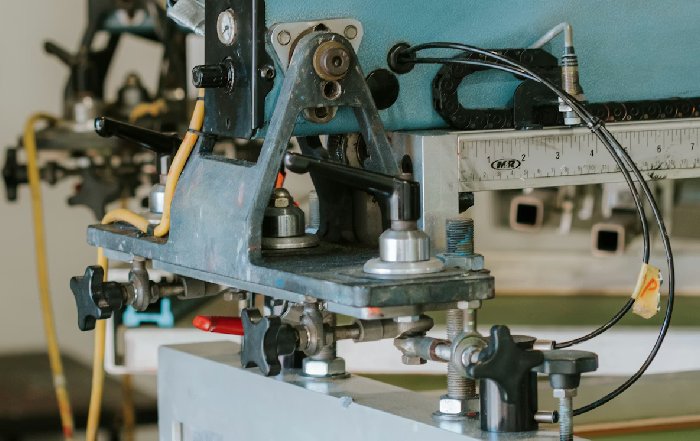
The Impact of Technology on Employment in Manufacturing
Manufacturing at a Turning Point
Global manufacturing stands at a decisive inflection point where automation, artificial intelligence, and advanced digital technologies are reshaping not only how goods are produced but also who does the work, where it is done, and under what conditions it remains economically viable. For readers of business-fact.com, this transformation is not an abstract future scenario; it is an immediate strategic concern that influences hiring plans, capital allocation, supply chain design, and long-term competitiveness across regions from the United States and Europe to Asia, Africa, and South America. While headlines often frame the debate as "robots versus jobs," the reality is more complex, involving the reconfiguration of roles, the emergence of new specializations, and the need for continuous reskilling within a rapidly evolving industrial ecosystem.
The interplay between technology and employment in manufacturing cannot be understood in isolation from broader developments in the global economy, financial markets, and public policy. As readers exploring the wider context on economy and macro trends will recognize, structural shifts in trade patterns, energy prices, and demographic profiles intersect with technological adoption to determine where manufacturing jobs are created, transformed, or displaced. In this environment, business leaders require a nuanced, evidence-based understanding of how technology is reshaping work on the factory floor, in engineering offices, and across extended supply networks.
From Mechanization to AI: A Historical Perspective
The impact of technology on manufacturing employment is not a new story; it is the latest chapter in a long history that began with mechanization during the Industrial Revolution and continued through electrification, mass production, and computerization. Each wave of innovation, from the steam engine to programmable logic controllers, has altered the mix of skills required in factories and has periodically triggered fears of widespread technological unemployment. Historical analyses from institutions such as the International Labour Organization provide ample evidence that while some job categories disappear, others are created as industries reorganize and productivity gains translate into new forms of demand and investment. Readers interested in the long-term evolution of work can explore broader labour market perspectives through resources such as the ILO's research on the future of work.
By the late twentieth century, computer numerical control, industrial robotics, and enterprise resource planning systems had already begun to reshape employment in major manufacturing hubs in the United States, Germany, Japan, and other advanced economies. However, the current phase-often described as Industry 4.0-is qualitatively different because of the convergence of cyber-physical systems, ubiquitous connectivity, cloud computing, and data-driven decision-making. Organizations such as the World Economic Forum have documented how this convergence is leading to "lighthouse" factories that integrate sensors, analytics, and automation into end-to-end value chains, dramatically altering both productivity and the nature of work. Readers can learn more about the Fourth Industrial Revolution to place current changes in a broader technological context.
For business-fact.com, this historical lens is essential because it highlights a recurring pattern: technology rarely eliminates work in aggregate, but it does redistribute it across regions, firms, and occupations, rewarding those that can adapt rapidly while penalizing those that cling to legacy models of production and workforce management.
Automation, Robotics, and the Evolving Factory Floor
The most visible manifestation of technological change in manufacturing employment is the proliferation of industrial robots, autonomous guided vehicles, and increasingly sophisticated automation systems. Data from the International Federation of Robotics show that robot density has surged in countries such as South Korea, Singapore, Germany, and Japan, with the United States and China rapidly closing the gap. This acceleration is particularly evident in automotive, electronics, and metalworking sectors, where repetitive, high-precision tasks lend themselves to automation. Interested readers can explore global trends in industrial robotics to understand how deployment is distributed across regions and industries.
On the factory floor, automation has a dual impact. It clearly reduces the need for certain categories of manual, routine labor-such as basic assembly or materials handling-while simultaneously increasing the demand for technicians, engineers, and operators capable of programming, maintaining, and optimizing automated systems. The emergence of collaborative robots, or "cobots," designed to work safely alongside humans, has further blurred the line between manual and automated work, creating hybrid roles in which workers supervise multiple machines, interpret real-time data, and engage in continuous problem-solving rather than performing a single repetitive task. For manufacturers, this shift requires investment not only in equipment but also in the human capital needed to extract value from automation, a topic closely aligned with the themes discussed on technology and industrial transformation.
The impact is not uniform across geographies. In high-wage economies such as Germany, the United States, and the Nordic countries, automation often serves as a strategy to retain or reshore production that might otherwise migrate to lower-cost regions, thereby preserving a core of high-quality manufacturing employment even as the total headcount becomes more skill-intensive. In contrast, in emerging economies where manufacturing has historically relied on abundant low-cost labor, rapid automation can compress the window of opportunity for job-rich industrialization, forcing policymakers and business leaders to reconsider development strategies and focus on higher-value segments of the manufacturing value chain.
Artificial Intelligence and Data-Driven Manufacturing
While robotics and physical automation capture public attention, the less visible but equally transformative force in manufacturing employment is the rise of artificial intelligence and advanced analytics. AI systems now support predictive maintenance, quality control, demand forecasting, and process optimization at a scale and speed that would have been unthinkable a decade ago. Platforms from companies such as Siemens, Bosch, and GE Vernova integrate sensor data, machine learning, and digital twins to create self-optimizing production environments in which algorithms continuously adjust parameters to maximize throughput, minimize waste, and prevent downtime. Readers can explore how digital twins are reshaping industrial operations through resources such as Siemens' overview of digital industries.
From an employment perspective, AI alters not only the tasks performed on the shop floor but also the nature of white-collar work in manufacturing organizations. Planners, schedulers, and quality engineers increasingly rely on AI-driven decision support tools, while data scientists and industrial engineers collaborate to design and refine algorithms that encode process knowledge. This evolution aligns with themes covered on artificial intelligence and business transformation, where the focus is on how AI augments human decision-making rather than simply automating it.
The rise of AI also raises important questions about data governance, cybersecurity, and trust. Manufacturing firms that deploy AI across global supply chains must ensure the integrity and security of data flows, particularly as they connect factories in North America, Europe, and Asia through cloud platforms operated by technology giants such as Microsoft, Amazon Web Services, and Google Cloud. Guidance from organizations like the National Institute of Standards and Technology on cybersecurity frameworks for industrial control systems underscores that safeguarding digital infrastructure is now inseparable from safeguarding jobs, since cyberattacks can disrupt operations, damage equipment, and erode customer confidence, leading to job losses and financial instability.
Regional Dynamics: Winners, Losers, and New Hubs
The impact of technology on manufacturing employment varies significantly across regions, reflecting differences in industrial structure, wage levels, policy frameworks, and investment capacity. In the United States, for example, the combination of advanced automation, supportive industrial policy, and strategic reshoring initiatives is contributing to a modest revival of manufacturing employment in sectors such as semiconductors, batteries, and advanced materials, even as traditional mass-production roles continue to decline. Analyses from the U.S. Bureau of Labor Statistics on employment projections in manufacturing indicate that while overall headcount growth may be subdued, the composition of jobs is shifting toward higher-skill technical, engineering, and logistics roles.
In Europe, countries like Germany, Sweden, and the Netherlands are leveraging long-standing strengths in engineering, vocational education, and social partnership to manage the transition toward highly automated, digitally integrated manufacturing. The European Commission's initiatives around the Industry 5.0 concept, which emphasizes human-centric, sustainable, and resilient manufacturing, reflect an attempt to align technological deployment with social cohesion and environmental goals. For readers of business-fact.com following developments in European manufacturing, this approach underscores the importance of coordinated strategies that balance competitiveness with job quality.
Asia presents a more heterogeneous picture. China remains the world's largest manufacturing hub and has become one of the fastest adopters of industrial robots and AI-enabled production systems, driven by rising wages, demographic shifts, and ambitious national strategies such as Made in China 2025. At the same time, countries like Vietnam, Thailand, and Malaysia are positioning themselves as alternative production bases, blending labor-intensive operations with gradual automation. Japan and South Korea, long-time leaders in manufacturing technology, are using advanced robotics and AI to offset aging workforces and maintain global leadership in sectors such as automotive, electronics, and machinery. Readers seeking a broader global context can explore manufacturing competitiveness rankings from organizations such as Deloitte.
For emerging economies in Africa and parts of South America, the rapid diffusion of automation and AI in global value chains presents a strategic dilemma: how to capture manufacturing investment and employment when the traditional advantage of low labor costs is eroded by capital-intensive technologies deployed in advanced economies or highly automated "lights-out" factories. This challenge highlights the need for targeted industrial policies, skills development initiatives, and regional integration strategies, themes that align with the broader global perspectives available on international business and trade.
Skills, Reskilling, and the Changing Nature of Work
Perhaps the most critical dimension of technology's impact on manufacturing employment is the evolving skill profile required to thrive in a digitized, automated environment. Across regions, employers report difficulties in recruiting workers with the right combination of technical, digital, and problem-solving skills, even as some workers struggle to adapt to new requirements. Reports from the World Economic Forum and McKinsey & Company consistently highlight the growing demand for mechatronics technicians, industrial data analysts, automation engineers, and maintenance specialists capable of working with complex, interconnected systems. Those interested in the broader future of jobs can consult resources such as the Future of Jobs reports that analyze occupational trends across industries.
For many manufacturing workers, the transition involves moving from narrowly defined, repetitive tasks to more varied roles that require interpreting data, collaborating with cross-functional teams, and engaging in continuous learning. This shift places new demands on education and training systems, from vocational schools and community colleges to corporate training programs and online platforms. Organizations such as the OECD emphasize the importance of lifelong learning and adult education in their work on skills and work-based learning, underlining that reskilling is not a one-time event but an ongoing process that must be integrated into workforce strategies.
For the audience of business-fact.com, the skills dimension also intersects with broader themes in employment and labor markets. Companies that proactively invest in upskilling and reskilling programs, often in partnership with unions, educational institutions, and local governments, are better positioned to retain experienced employees, maintain operational continuity during technological transitions, and cultivate a reputation as employers of choice in competitive talent markets. Conversely, organizations that treat workforce development as an afterthought risk facing resistance to change, higher turnover, and reputational damage.
Investment, Capital Allocation, and Financial Markets
The technological transformation of manufacturing employment is inseparable from patterns of investment and capital allocation in both public and private sectors. Decisions about whether to automate a production line, implement an AI-driven quality system, or build a new smart factory in a particular region depend on assessments of expected returns, financing conditions, and regulatory environments. For readers tracking investment trends and capital markets, it is clear that investors increasingly scrutinize how manufacturers deploy technology not only to improve margins but also to manage social and environmental risks.
Equity analysts, institutional investors, and lenders are incorporating metrics related to automation, workforce stability, and human-capital management into their evaluations of manufacturing firms. ESG frameworks, promoted by organizations such as the Principles for Responsible Investment, encourage investors to examine how companies manage technological change and its impact on employees. Reports from the OECD and World Bank on productive investment and innovation emphasize that long-term value creation in manufacturing depends on balanced investment in both physical and human capital, rather than an exclusive focus on short-term cost reduction.
Stock markets in the United States, Europe, and Asia have rewarded manufacturers that successfully position themselves as technology leaders, particularly in sectors such as semiconductors, industrial automation, and advanced materials. Readers interested in the link between technology adoption and market performance can explore related coverage on stock markets and sector performance, where it becomes evident that companies demonstrating credible strategies for integrating automation and AI, while maintaining constructive labor relations, often command valuation premiums relative to less adaptive peers.
Founders, Leadership, and Organizational Culture
Behind every successful technological transformation in manufacturing lies a combination of visionary leadership, pragmatic execution, and a culture that balances innovation with responsibility. Founders and senior executives of manufacturing firms, whether in the United States, Germany, China, or emerging markets, face difficult choices about the pace and scope of automation, the design of new operating models, and the treatment of employees whose roles are changing or at risk of redundancy. Profiles of industrial founders and leaders on entrepreneurship and founders often reveal a common pattern: those who view technology as a tool for augmenting human capabilities and creating better jobs tend to build more resilient organizations than those who see it primarily as a mechanism for cutting labor costs.
Organizations such as MIT Sloan School of Management and Harvard Business School have documented how leadership approaches and organizational culture influence the success of digital transformation initiatives. Case studies available through resources such as MIT Sloan Management Review illustrate that factories implementing similar technologies can experience very different outcomes in terms of productivity, morale, and retention, depending on how managers engage workers, communicate change, and invest in training. For the business audience of business-fact.com, these insights underscore that technology decisions are inherently human decisions, with long-term implications for brand reputation, customer relationships, and strategic flexibility.
Sustainability, Resilience, and the Future of Manufacturing Jobs
Technology is also reshaping manufacturing employment through the lens of sustainability and resilience. The transition to low-carbon production, circular economy models, and resource-efficient operations is driving demand for new skills and roles, from energy managers and sustainability engineers to specialists in materials recovery and remanufacturing. Initiatives such as the United Nations Industrial Development Organization's programs on sustainable industrial development highlight how green technologies and practices can create new employment opportunities, particularly in regions seeking to leapfrog to cleaner industrial models.
For companies that engage with sustainability themes, as often discussed on sustainable business and ESG strategies, advanced technologies such as AI, IoT sensors, and digital twins enable precise monitoring and optimization of energy use, emissions, and waste. This integration creates new job categories focused on data-driven environmental performance, while also requiring traditional roles to incorporate sustainability considerations into daily decision-making. At the same time, the resilience agenda-reinforced by recent disruptions in global supply chains-encourages manufacturers to diversify production locations, build redundancy into critical processes, and enhance transparency, all of which require skilled professionals in logistics, risk management, and digital supply chain coordination.
In many cases, sustainability and resilience investments are supported by public incentives, green finance mechanisms, and international cooperation, linking manufacturing employment to broader policy frameworks such as the European Green Deal or national industrial strategies in countries including Canada, Australia, and Japan. These developments illustrate that the future of manufacturing jobs is not solely determined by cost and efficiency considerations but also by societal expectations and regulatory pressures related to climate, social inclusion, and responsible innovation.
Strategic Implications for Business Leaders and Policymakers
For the global audience of business-fact.com, the central question is not whether technology will continue to transform manufacturing employment-this is already an established reality-but how businesses and policymakers can shape outcomes that are both economically and socially sustainable. On the business side, leaders must integrate technology strategy with workforce strategy, ensuring that investments in automation and AI are accompanied by robust plans for training, redeployment, and employee engagement. This integrated approach resonates with broader discussions on business strategy and transformation, where technology is seen as a core component of competitive positioning rather than a standalone initiative.
Policymakers, for their part, need to align industrial policy, education systems, and labor market regulations with the demands of a digitized manufacturing sector. This includes supporting vocational training aligned with industry needs, incentivizing companies to invest in human capital, and providing safety nets and transition support for workers affected by technological disruption. International organizations such as the World Bank and OECD emphasize in their work on jobs and inclusive growth that successful adaptation requires coordinated action across ministries, regions, and social partners, particularly in countries where manufacturing remains a major source of employment.
For investors, analysts, and corporate boards, the key implication is that the quality of a company's approach to technology and employment has become a material factor in assessing long-term value and risk. Firms that demonstrate credible, transparent strategies for managing the human side of automation are likely to enjoy advantages in attracting talent, securing capital, and navigating regulatory scrutiny. Conversely, those that neglect these dimensions may face operational disruptions, reputational challenges, and increased political risk.
The Role of Business-Fact.com in an Era of Industrial Transformation
As technology continues to reshape manufacturing employment across continents, business-fact.com is positioned to serve as a trusted guide for executives, investors, policymakers, and professionals who need clear, analytically grounded insights into these complex dynamics. Through its coverage of technology and innovation, global economic developments, labor market trends, and financial and business news, the platform connects the dots between technological advances, corporate strategy, public policy, and the lived experience of workers in factories from Detroit and Düsseldorf to Shenzhen and São Paulo.
By focusing on experience, expertise, authoritativeness, and trustworthiness, business-fact.com aims to move beyond simplistic narratives of job loss or technological utopia, instead providing its readers with nuanced analysis, case studies, and data-driven perspectives that support informed decision-making. In an environment where the pace of change shows no sign of slowing, and where the consequences of strategic choices will reverberate across generations, such grounded, forward-looking insight is not merely valuable; it is indispensable for anyone seeking to understand and shape the future of work in manufacturing.