

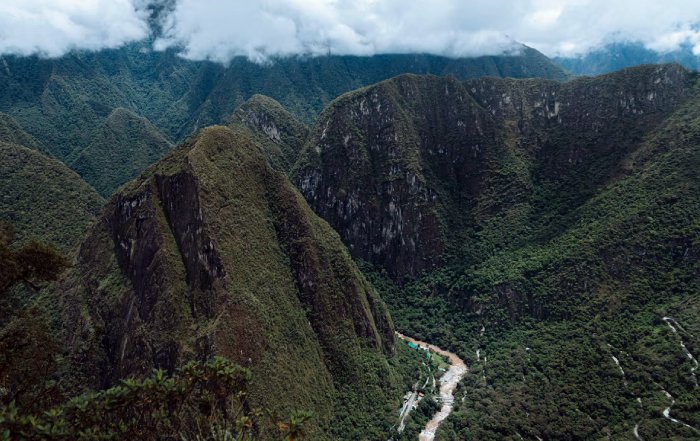
A Look at Sustainable Tourism Initiatives in South America
Sustainable Tourism as a Strategic Economic Priority
So sustainable tourism has moved from the margins of policy debate to the center of economic strategy across South America, as governments, investors and local communities recognize that long-term competitiveness in the visitor economy depends on protecting natural capital, strengthening social cohesion and creating resilient business models that can withstand geopolitical, climatic and health-related shocks. For readers of business-fact.com, this shift is not merely an environmental story; it is a structural transformation of a major regional industry that touches employment, infrastructure, technology adoption, financial innovation and international trade, and it increasingly shapes how capital is allocated across sectors in emerging and developed markets alike. As multilateral institutions such as the World Bank emphasize the role of nature-based assets in development strategies, and as private asset managers integrate environmental, social and governance criteria into their portfolios, South American destinations are under pressure to demonstrate that their tourism growth pathways are aligned with climate goals, biodiversity protection and inclusive economic development, while still delivering attractive returns and diversified income streams. Learn more about how these dynamics intersect with broader global economic trends.
The region's tourism sector has long been a pillar of foreign exchange earnings and local job creation, with iconic destinations from Patagonia to the Amazon anchoring global travel demand, yet the pandemic period exposed structural vulnerabilities in over-reliance on volume-driven, low-margin tourism models, prompting a strategic rethinking that now favors quality over quantity, resilience over rapid expansion and partnership-based governance over fragmented decision-making. In this context, sustainable tourism initiatives in South America are no longer framed as niche eco-projects but as integrated business strategies that respond to evolving consumer expectations, regulatory requirements, and the growing influence of climate-conscious investors and lenders. The United Nations World Tourism Organization has consistently underscored that sustainability is now a core competitiveness factor, and South American policymakers increasingly view the sector as an experimental laboratory for green innovation, digital transformation and inclusive employment models that can then be replicated in other areas of the economy. Readers interested in the wider business implications can explore the evolving role of innovation in competitive strategy.
Policy Frameworks and Regional Collaboration
A defining feature of South America's sustainable tourism landscape in 2026 is the proliferation of national and sub-national policy frameworks that explicitly link tourism development to climate commitments, biodiversity targets and social inclusion objectives, creating a more predictable environment for long-term investment and cross-border collaboration. Countries such as Chile, Colombia, Costa Rica (often referenced as a regional benchmark despite its Central American geography) and Brazil have drawn on guidance from the UN Environment Programme and the Organisation for Economic Co-operation and Development to design roadmaps that integrate carbon reduction targets, protected area management, community participation mechanisms and green infrastructure standards into their tourism strategies, thus aligning local initiatives with global frameworks such as the Paris Agreement and the Kunming-Montreal Global Biodiversity Framework. For investors and operators, this policy convergence reduces regulatory uncertainty, clarifies expectations around environmental performance and opens access to climate finance instruments and blended-finance structures supported by the Inter-American Development Bank and other development finance institutions.
Regional collaboration has also intensified, with South American tourism ministries and destination management organizations sharing best practices through platforms supported by entities such as the World Travel & Tourism Council and the Economic Commission for Latin America and the Caribbean, where data on visitor flows, carbon footprints and community impacts inform more coordinated approaches to marketing, infrastructure and conservation. This has significant implications for brands and intermediaries in key source markets such as the United States, the United Kingdom, Germany and Canada, where policymakers and industry bodies are increasingly demanding evidence of sustainable practices in supply chains and are developing standardized metrics and certification schemes to evaluate destination performance. As sustainable tourism becomes a central theme in trade negotiations, aviation agreements and bilateral cooperation programs, South American governments are positioning their destinations not only as attractive leisure options but also as credible partners in the global transition to a low-carbon, nature-positive economy. Readers can follow broader policy and regulatory developments via business-fact.com's global business coverage.
Ecotourism and Protected Areas: From Niche to Core Strategy
One of the most visible expressions of sustainable tourism in South America is the expansion and professionalization of ecotourism in national parks, marine reserves and indigenous territories, where the balance between visitor access and conservation outcomes is carefully managed through zoning, carrying capacity limits and community-based governance structures. Countries such as Chile have transformed large stretches of Patagonia into interconnected protected areas, supported by partnerships between the government, private conservation organizations like Tompkins Conservation and local communities, with tourism revenues funding park management, scientific research and ecosystem restoration. In Brazil, the vast Amazon region has seen a measured shift from extractive economic activities towards carefully designed ecotourism experiences that aim to generate income for local residents while reinforcing incentives to preserve forest cover and traditional knowledge, although challenges around land rights, illegal deforestation and governance remain significant and require ongoing vigilance and multi-stakeholder engagement.
International conservation organizations, including the World Wildlife Fund, have worked with South American authorities and local entrepreneurs to develop ecotourism models that align with best practices in biodiversity conservation, visitor education and community benefit-sharing, often integrating scientific monitoring and data collection into tourism operations. This approach resonates strongly with travelers from Europe, North America and Asia who increasingly seek immersive, educational experiences that connect them with local cultures and ecosystems, while also satisfying their expectations for safety, comfort and digital connectivity. The evolution of ecotourism from a small, specialized segment into a mainstream pillar of national tourism strategies reflects a broader recognition that protected areas can be powerful drivers of sustainable rural development, provided that governance mechanisms ensure transparent revenue distribution, robust environmental safeguards and meaningful participation of indigenous and local communities in decision-making. Further analysis of tourism's role in national development strategies can be found in business-fact.com's business and policy insights.
Community-Based Tourism and Inclusive Employment
Sustainable tourism in South America increasingly centers on community-based models that seek to distribute value more equitably along the tourism supply chain, creating direct income opportunities for local households while preserving cultural heritage and strengthening social cohesion. Across regions such as the Andean highlands of Peru and Bolivia, the coastal communities of Colombia and Ecuador, and the rural areas of Brazil and Argentina, community tourism initiatives offer homestays, guided cultural experiences, artisanal workshops and agro-tourism activities that allow visitors to engage with local ways of life in a more authentic and respectful manner, while providing communities with greater control over how tourism is developed and how benefits are shared. These initiatives frequently receive technical support and capacity-building assistance from organizations such as the International Labour Organization, which promotes decent work and skills development in the tourism sector, and from national tourism boards that recognize the importance of diversifying destinations beyond major urban and resort hubs.
From an employment perspective, community-based tourism can help address structural challenges such as high youth unemployment, rural-urban migration and gender inequality, by creating entrepreneurial opportunities in areas where formal wage employment is limited and by enabling women and young people to participate in the visitor economy through micro-enterprises, cooperatives and digital platforms. However, the success of such initiatives depends on access to finance, market linkages, training in business management and marketing, and supportive regulatory environments that recognize community organizations as legitimate actors in the tourism industry. Investors and policymakers increasingly view community tourism as a strategic tool for inclusive growth, yet they also acknowledge the need for safeguards against cultural commodification, over-tourism and social disruption. Readers interested in the labor market implications of these models can explore related themes in employment and future-of-work coverage.
Sustainable Urban Tourism and Infrastructure Transformation
While much of the global narrative around sustainable tourism in South America focuses on remote natural landscapes, the region's major cities are also undergoing a strategic transformation as they seek to reconcile tourism growth with climate resilience, liveability and inclusive urban development. Metropolises such as Buenos Aires, São Paulo, Rio de Janeiro, Bogotá, Lima and Santiago are investing in low-carbon transport systems, public space regeneration, cultural heritage restoration and digital visitor management tools that aim to reduce congestion, emissions and pressure on historic neighborhoods, while enhancing the overall experience for both residents and visitors. Urban tourism strategies increasingly incorporate concepts such as the "15-minute city," green corridors and multimodal mobility, aligning with guidelines from organizations like C40 Cities and the World Resources Institute, which advocate for integrated approaches to climate-smart urban planning and transport.
For business travelers and leisure visitors alike, these changes are altering the way they experience South American cities, with growing emphasis on walkability, cycling infrastructure, public transit connectivity and access to cultural and gastronomic districts that showcase local creativity and entrepreneurship. At the same time, municipal authorities are exploring regulatory tools to manage the proliferation of short-term rentals and to ensure that tourism benefits are not overshadowed by housing affordability challenges or displacement of long-term residents. The intersection of tourism, real estate and urban policy is becoming a critical area of focus for investors, developers and city planners, particularly in global gateway cities that seek to attract international events, conferences and high-value visitors while maintaining social cohesion and environmental quality. Readers can follow broader urban and infrastructure investment themes through investment-focused coverage.
Financing and Investment: Green Capital Flows into Tourism
The financial architecture underpinning sustainable tourism in South America has evolved rapidly, as public and private actors experiment with new instruments to channel capital into projects that deliver both financial returns and measurable environmental and social outcomes. Development banks, including the Inter-American Development Bank and the CAF - Development Bank of Latin America and the Caribbean, have launched dedicated facilities and blended-finance vehicles that de-risk investments in green hotels, low-carbon transport, waste management, renewable energy and ecosystem restoration linked to tourism value chains, thereby attracting institutional investors that might otherwise be hesitant to engage in emerging-market tourism projects. Green bonds and sustainability-linked loans are increasingly used by hotel groups, infrastructure operators and destination management organizations to finance retrofits, new builds and community programs, with performance metrics tied to energy efficiency, water use, waste reduction and local employment targets.
Private equity and impact investment funds are also playing a more prominent role, targeting scalable models such as eco-lodges, sustainable tour operators, digital booking platforms focused on responsible travel and regenerative agriculture projects that supply tourism businesses while restoring degraded landscapes. Investors are influenced by global frameworks such as the UN Principles for Responsible Investment and guidance from the Task Force on Climate-related Financial Disclosures, which encourage more rigorous assessment of climate and nature-related risks in portfolios. This shift is gradually reshaping capital allocation decisions in tourism-related real estate, transportation and services across South America, as projects that fail to integrate sustainability considerations face higher financing costs, reputational risks and potential regulatory constraints. For readers of business-fact.com, these developments illustrate how sustainability is becoming a core component of risk management and value creation in tourism, aligning with broader trends in stock markets and capital markets.
Technology, Data and Artificial Intelligence in Sustainable Tourism
Digital transformation and artificial intelligence are emerging as powerful enablers of sustainable tourism strategies in South America, allowing destinations and businesses to optimize resource use, manage visitor flows, personalize experiences and monitor environmental impacts with unprecedented precision. Tourism boards and city authorities are deploying data platforms that integrate information from mobile networks, online booking systems, payment providers and sensor networks to analyze visitor behavior, identify congestion hotspots, forecast demand and design targeted interventions that reduce pressure on sensitive sites and distribute visitors more evenly across regions and seasons. Artificial intelligence tools, drawing on advances documented by organizations such as the OECD and the World Economic Forum, are being used to optimize pricing, energy management in hotels, waste collection routes and transport schedules, thereby reducing emissions and operating costs while improving service quality.
For small and medium-sized enterprises across South America's tourism value chains, digital platforms and AI-driven tools offer opportunities to reach international markets, manage inventory, personalize marketing and improve customer service, but they also require investments in skills, connectivity and cybersecurity. The rise of AI-enabled travel planning and recommendation engines has implications for destination marketing organizations and intermediaries, as algorithms increasingly shape which destinations and experiences gain visibility in key source markets. Ensuring that sustainable and community-based offerings are accurately represented in digital channels becomes a strategic priority, requiring collaboration between public agencies, private platforms and local operators. Readers interested in the intersection of AI and business strategy can explore more detailed analysis in artificial intelligence coverage and technology insights.
Climate Risk, Resilience and Regenerative Approaches
Climate change poses a particularly acute challenge for South American tourism, as destinations face increasing risks from extreme weather events, sea-level rise, glacier retreat, droughts, wildfires and biodiversity loss, all of which can disrupt operations, damage infrastructure and alter the very landscapes that attract visitors. Coastal destinations in Brazil, Colombia and Uruguay confront erosion and storm surge threats, Andean regions in Peru, Bolivia, Chile and Argentina grapple with melting glaciers that affect water supplies and adventure tourism activities, while the Amazon basin faces complex interactions between deforestation, changing rainfall patterns and fire regimes. Organizations such as the Intergovernmental Panel on Climate Change provide scientific evidence that underscores the urgency of adaptation and mitigation strategies, and tourism stakeholders across South America are increasingly incorporating climate risk assessments into planning, insurance and investment decisions.
In response, a growing number of initiatives adopt regenerative tourism principles, which seek not only to minimize negative impacts but to actively restore ecosystems, strengthen local food systems, support reforestation and conservation projects and foster cultural revitalization. Hotels and tour operators partner with conservation NGOs and local communities to fund habitat restoration, carbon sequestration projects and biodiversity monitoring, often inviting guests to participate in citizen science and volunteering activities that deepen their engagement and understanding. These regenerative models resonate with travelers who are increasingly conscious of their footprint and willing to pay a premium for experiences that contribute positively to destinations, yet they also require rigorous measurement, transparency and accountability to avoid accusations of greenwashing. For a broader perspective on climate-aligned business models and sustainable strategies, readers can explore sustainability-focused coverage.
Marketing, Brand Positioning and Consumer Expectations
The way South American destinations and tourism businesses communicate their sustainability efforts has become a strategic differentiator in global markets, where travelers from regions such as Europe, North America, Australia and parts of Asia are increasingly using sustainability credentials as a filter in their decision-making. National tourism boards in countries such as Brazil, Chile, Peru and Colombia are repositioning their brands to emphasize nature, culture, authenticity and responsibility, often leveraging storytelling that highlights community partnerships, conservation successes and innovation in green infrastructure, while aligning with global campaigns led by organizations like the UN World Tourism Organization. At the same time, private sector players, from boutique eco-lodges to large hotel chains and cruise operators, are integrating sustainability messaging into their marketing strategies, loyalty programs and customer engagement, recognizing that transparency and credibility are essential to building trust with increasingly discerning audiences.
For marketers and brand strategists, the challenge lies in balancing compelling narratives with verifiable data, avoiding exaggerated claims and ensuring that sustainability is embedded across operations rather than treated as a superficial add-on. Certification schemes, sustainability reports and third-party assessments play a growing role in substantiating claims and differentiating serious efforts from mere rhetoric, while digital platforms and review sites amplify both positive and negative feedback from travelers. As consumer expectations evolve, particularly among younger demographics in markets such as the United States, the United Kingdom, Germany, Canada, Australia and the Nordic countries, South American destinations that can convincingly demonstrate their commitment to environmental stewardship, social inclusion and cultural respect are likely to gain competitive advantage. Readers interested in the strategic dimension of this shift can find related analysis in marketing and brand strategy coverage.
The Role of Founders, Start-ups and Innovation Ecosystems
Entrepreneurs and start-ups across South America are playing a pivotal role in advancing sustainable tourism initiatives, developing innovative products and services that address pain points in areas such as waste management, renewable energy, digital booking, visitor analytics, community engagement and carbon accounting. Founders in cities like São Paulo, Santiago, Bogotá, Buenos Aires and Lima are building platforms that connect travelers with verified sustainable accommodations and experiences, blockchain-based systems for transparent carbon offset tracking, and software tools that help small tourism businesses measure and reduce their environmental footprints. These ventures often emerge from broader innovation ecosystems that include universities, accelerators, impact investors and corporate partners, supported by policy initiatives that encourage green entrepreneurship and digital transformation.
For the regional start-up community, sustainable tourism offers a testbed for solutions that can later be scaled to other sectors, from logistics and agriculture to real estate and smart cities, thereby reinforcing the strategic importance of the visitor economy as an innovation driver. At the same time, founders must navigate regulatory complexity, fragmented markets and capital constraints, particularly when targeting cross-border expansion or integrating with global distribution systems. As international investors increase their exposure to Latin American technology ventures, sustainable tourism-related start-ups that demonstrate strong unit economics, robust impact metrics and scalable technology platforms are attracting growing interest. Readers who follow entrepreneurial stories and leadership themes can find complementary coverage of founders and business leaders on business-fact.com.
Outlook: Strategic Imperatives for Stakeholders
Looking ahead to the remainder of the decade, sustainable tourism in South America will continue to be shaped by the interplay of global climate policy, shifting consumer preferences, technological innovation and domestic political dynamics, creating both opportunities and risks for businesses, investors and communities across the region. Destinations that succeed in aligning their tourism strategies with broader national development plans, integrating climate resilience, digital transformation and inclusive growth, are likely to attract a larger share of high-value visitors, long-term investment and international partnerships, while those that cling to volume-driven, low-margin models may face increasing vulnerability to shocks, regulatory pressure and reputational damage. For corporate decision-makers, financial institutions and policymakers in key source markets such as the United States, the United Kingdom, Germany, Canada, Australia, Japan and South Korea, understanding the nuances of South America's sustainable tourism initiatives is essential for risk assessment, partnership development and portfolio diversification.
For readers of business-fact.com, the evolution of sustainable tourism in South America illustrates how environmental and social considerations are becoming structurally embedded in business strategy, investment decisions and policy frameworks, rather than treated as peripheral concerns. The sector serves as a microcosm of broader transitions underway in the global economy, where long-term competitiveness increasingly depends on the ability to innovate, collaborate and align with planetary boundaries and societal expectations. By monitoring developments across tourism, finance, technology and policy, and by engaging with credible data and on-the-ground perspectives, business leaders and investors can identify emerging opportunities, anticipate regulatory shifts and contribute to models of growth that are both profitable and sustainable. Further updates and in-depth analysis of these trends will continue to be available through business-fact.com's news and analysis hub and the site's broader coverage of global business and economic transformation.