

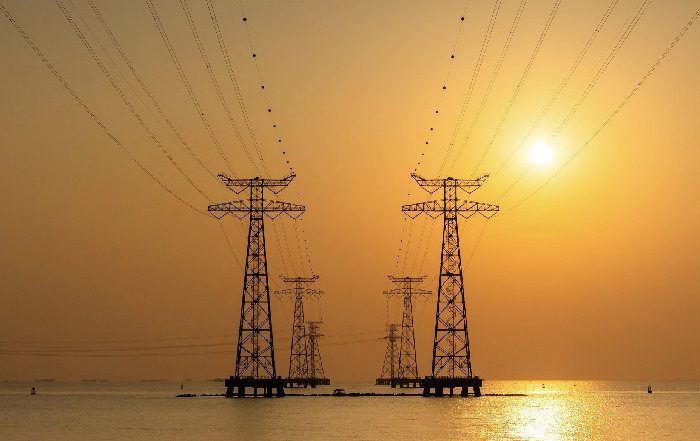
Energy Transition Trends Reshaping Global Business Operations in 2026
The Strategic Imperative of the Energy Transition
By 2026, the global energy transition has become a defining structural force in business rather than a peripheral sustainability initiative, and for the readership of Business-Fact.com, which closely follows developments in business, stock markets, technology, and global trends, it now represents a central lens through which corporate strategy, risk, and opportunity must be evaluated. What began more than a decade ago as a largely policy-driven effort to reduce greenhouse gas emissions has evolved into a comprehensive reconfiguration of cost structures, capital flows, supply chains, and competitive positioning across regions from North America and Europe to Asia-Pacific, Africa, and South America.
In this new environment, the energy transition is no longer confined to utilities and traditional energy producers; it permeates decision-making in manufacturing, logistics, financial services, real estate, retail, healthcare, digital platforms, and advanced technology sectors. Corporations in the United States, the United Kingdom, Germany, Canada, Australia, France, Italy, Spain, the Netherlands, Switzerland, China, Sweden, Norway, Singapore, Denmark, South Korea, Japan, and many emerging markets increasingly recognize that decarbonization and resilience are not mere compliance obligations but critical determinants of long-term value creation and access to capital. As investors, regulators, and customers demand credible, data-driven transition plans, energy strategy has moved from sustainability departments into boardrooms and executive committees, becoming inseparable from broader discussions about growth, competitiveness, and geopolitical risk.
From the editorial perspective of Business-Fact.com, which regularly analyzes trends in artificial intelligence, innovation, investment, and sustainable business models, the energy transition is now understood as a unifying theme that connects advances in digital technology, shifts in regulatory regimes, and the emergence of new industrial ecosystems. Large industrial conglomerates in Germany and Japan, technology platforms in the United States and Singapore, financial centers in London and Zurich, and fast-growing enterprises in Brazil, India, Thailand, Malaysia, and South Africa are all being reshaped by the same underlying drivers: the economics of clean energy, the rising cost of carbon, and the strategic imperative to build resilient, low-carbon operating models that can withstand regulatory scrutiny and physical climate risks.
Policy, Regulation, and the New Operating Environment
The policy and regulatory landscape has become one of the most powerful levers directing how and where companies invest, produce, and compete, and the evolution of climate and energy policy since 2020 has been particularly consequential for multinational firms. In Europe, the European Commission has continued to advance the European Green Deal, strengthening the emissions trading system, implementing the Carbon Border Adjustment Mechanism (CBAM), and tightening sector-specific regulations affecting transport, buildings, and industry. Executives and policy teams seeking to understand how these measures influence trade flows, compliance costs, and market access regularly monitor European Commission climate and energy updates, recognizing that carbon intensity is now a strategic variable in export competitiveness.
In the United States, large-scale industrial and climate legislation has accelerated the build-out of clean energy, grid modernization, and domestic manufacturing capacity for batteries, solar, wind components, and low-carbon fuels, creating new industrial clusters in states that can offer a combination of policy support, skilled labor, and abundant land or renewable resources. Companies evaluating site selection and capital expenditure decisions increasingly use resources from the U.S. Department of Energy, which provides detailed information on programs, funding, and technology pathways, enabling them to track federal clean energy initiatives and align corporate strategies with public incentives.
Global climate diplomacy continues to shape national policy trajectories and, indirectly, corporate risk profiles. The United Nations Framework Convention on Climate Change (UNFCCC) process, including the outcomes of annual Conferences of the Parties, has reinforced expectations that governments will periodically ratchet up their climate ambitions, sharpen carbon pricing mechanisms, and strengthen reporting and verification frameworks. Multinational corporations with complex supply chains and global customer bases closely follow UNFCCC climate negotiations to anticipate policy shifts that could affect their cost of capital, operating permits, and cross-border trade exposure.
At the same time, financial regulators are integrating climate-related risks into supervisory and disclosure requirements. The U.S. Securities and Exchange Commission (SEC), the European Securities and Markets Authority (ESMA), and other supervisory bodies have been converging on more rigorous expectations for climate-related financial disclosures, heavily informed by the recommendations of the Task Force on Climate-related Financial Disclosures (TCFD) and the emerging global baseline under the International Sustainability Standards Board (ISSB). Boards and finance teams increasingly rely on guidance from the TCFD to embed climate risk into governance, strategy, risk management, and metrics, recognizing that inconsistent or superficial disclosures can affect investor confidence and credit ratings.
For the audience of Business-Fact.com, which follows developments in economy and news, the key insight is that energy and climate policy have become central determinants of the competitive environment across regions. Policy-driven shifts in carbon pricing, industrial subsidies, trade measures, and disclosure standards now influence where companies build factories, how they structure supply chains, what technologies they prioritize, and how they position themselves in capital markets from New York and Toronto to Frankfurt, Paris, Tokyo, Hong Kong, and Singapore.
Renewable Energy as a Core Business Input
Renewable energy has moved from the margins of corporate energy strategies to the center of operational and financial planning, with solar photovoltaics, onshore and offshore wind, and utility-scale storage now forming a substantial share of new capacity additions worldwide. Data from the International Energy Agency (IEA) confirms that renewables have consistently outpaced fossil fuels in new power capacity, while levelized costs for solar and wind have fallen dramatically over the last decade, making them competitive or cheaper than conventional generation in many markets. Business leaders and analysts regularly consult IEA renewable energy outlooks to assess regional cost trajectories, policy drivers, and integration challenges.
For corporations in energy-intensive sectors such as data centers, chemicals, steel, cement, automotive manufacturing, and logistics, renewable procurement has evolved into a sophisticated discipline involving long-term power purchase agreements (PPAs), virtual PPAs, green tariffs, and direct investment in generation assets. Initiatives such as RE100, supported by organizations like the World Business Council for Sustainable Development (WBCSD), have helped create common frameworks and peer networks for companies committing to 100 percent renewable electricity. Executives interested in the structure of these commitments and the underlying economics often learn more about corporate renewable energy commitments, recognizing that such strategies can provide cost visibility, hedge against fossil price volatility, and enhance brand credibility.
This shift has profound implications for geographic strategy. Regions that can reliably supply large volumes of low-cost, low-carbon electricity, such as parts of the United States, Canada, the Nordics, Australia, and selected locations in the Middle East and Latin America, increasingly attract investments in advanced manufacturing, semiconductor fabrication, green hydrogen production, and large-scale data centers. Jurisdictions that lag in grid decarbonization or face persistent transmission bottlenecks risk losing out on these capital flows. Readers of Business-Fact.com tracking investment and global supply chain reconfiguration can observe how energy availability and carbon intensity are now primary filters in site selection, alongside labor costs, tax regimes, and political stability.
For Business-Fact.com, which aims to provide a personal and practical lens on these developments, the core message is that energy procurement is no longer a back-office function but a strategic capability, requiring close coordination between sustainability, finance, operations, and risk management teams to secure long-term, low-carbon energy at competitive prices in markets as diverse as the United States, Germany, China, India, Brazil, and South Africa.
Electrification and the Transformation of Industrial Processes
Electrification has become a central pillar of the energy transition, transforming transport, buildings, and an expanding set of industrial processes, and by 2026 its impacts are clearly visible in many of the economies most closely watched by Business-Fact.com readers. The rapid adoption of electric vehicles (EVs) across the United States, Europe, China, South Korea, and Japan is reshaping oil demand projections, automotive supply chains, and infrastructure investment plans. Organizations such as the International Council on Clean Transportation (ICCT) provide detailed analyses of electric vehicle adoption trends, which are used by automakers, fleet operators, and city planners to forecast charging needs, grid impacts, and market segmentation.
For businesses, the electrification story extends far beyond passenger cars. Logistics companies and retailers are deploying electric trucks and vans for urban and regional deliveries, responding to low-emission zones in cities such as London, Paris, Madrid, Amsterdam, and New York, as well as tightening regulations in markets like California and parts of China. Industrial sites are increasingly electrifying material handling equipment, port operations, and mining machinery where feasible, both to reduce emissions and to achieve lower total cost of ownership as battery and power electronics costs decline.
In buildings, electrification is accelerating through the deployment of high-efficiency heat pumps, advanced building automation systems, and smart grid integration, especially in Europe, North America, Japan, and parts of Asia-Pacific where policymakers are phasing out fossil fuel heating systems and strengthening building performance standards. This shift is creating new markets for equipment manufacturers, installers, and digital solution providers, while also requiring building owners and corporate tenants to rethink retrofit timelines and capital budgets.
Heavy industry presents more complex challenges, but progress is visible in areas such as low-temperature process heat, electrified kilns, and new pathways for steel and chemicals that combine electrification with hydrogen and other low-carbon inputs. Platforms such as the World Economic Forum and the Mission Possible Partnership outline pathways for decarbonizing hard-to-abate sectors, and their analyses are increasingly used by executives and investors to assess technology readiness, capital requirements, and policy dependencies.
These developments intersect directly with the themes of technology and innovation that are central to Business-Fact.com, particularly as electrification drives convergence between energy infrastructure and digital systems. Data centers, cloud platforms, and AI workloads are significant sources of incremental electricity demand in markets such as the United States, Ireland, the Netherlands, Singapore, and Japan, prompting technology firms to integrate energy strategy into product planning, site selection, and investor communications. As Business-Fact.com underscores in its coverage of artificial intelligence, the energy footprint of AI training and inference is pushing leading companies to adopt more efficient hardware, advanced cooling, and direct procurement of clean power to manage both costs and reputational risk.
Hydrogen, Storage, and Emerging Low-Carbon Technologies
Beyond renewables and electrification, a portfolio of emerging low-carbon technologies is maturing and beginning to scale, particularly in industrialized economies with strong manufacturing bases and ambitious climate targets. Low-carbon hydrogen, long-duration energy storage, advanced nuclear technologies, and carbon capture, utilization, and storage (CCUS) are at the forefront of these developments and are central to long-term decarbonization strategies in countries such as Germany, the Netherlands, the United Kingdom, Canada, Japan, South Korea, and the United States.
Low-carbon hydrogen, produced either via electrolysis powered by renewable energy or from natural gas with carbon capture, is being pursued as a versatile input for steel, ammonia, refining, heavy transport, and potentially aviation fuels. The International Renewable Energy Agency (IRENA) provides detailed assessments of green hydrogen value chains and costs, which are closely analyzed by industrial firms, utilities, and infrastructure investors as they evaluate project pipelines and offtake agreements. National hydrogen strategies in Europe, Asia, and Oceania, alongside cross-border initiatives linking resource-rich regions like Australia, the Middle East, and Latin America with demand centers in Europe and Northeast Asia, are beginning to take shape through pilot shipping routes, pipeline concepts, and industrial hubs.
Energy storage remains a critical enabler of higher renewable penetration and grid stability. While lithium-ion batteries dominate short-duration storage, significant research and commercialization efforts are underway in areas such as solid-state batteries, flow batteries, compressed air storage, and thermal storage, each with distinct use cases in grids, buildings, and industrial processes. Institutions like the U.S. National Renewable Energy Laboratory (NREL) provide overviews of energy storage innovations that help corporates and investors understand the performance, cost, and risk profiles of different technologies as they plan for multi-decade asset lifetimes.
Advanced nuclear technologies, including small modular reactors (SMRs), are gaining renewed attention as potential sources of firm, low-carbon power for industrial clusters and remote regions, particularly in countries with existing nuclear expertise such as Canada, the United Kingdom, France, and South Korea, as well as in Central and Eastern European states seeking to reduce dependence on imported fossil fuels. The World Nuclear Association maintains data and analysis on global nuclear developments, providing context for companies considering long-term power contracts or co-location with nuclear facilities for energy-intensive processes such as electrolysis, data processing, or desalination.
CCUS technologies, though still constrained by economics and public acceptance in some regions, are advancing through industrial clusters where shared infrastructure can reduce costs. The Global CCS Institute tracks carbon capture project pipelines, highlighting how oil and gas producers, cement manufacturers, and chemical companies are integrating capture, transport, and storage into their transition strategies. For the Business-Fact.com audience focused on investment and risk management, these emerging technologies represent both potential growth frontiers and areas where policy support, regulatory clarity, and stakeholder engagement will significantly influence outcomes.
Digitalization, Artificial Intelligence, and Energy Efficiency
Digital technologies and artificial intelligence have become central to managing the complexity and volatility inherent in a rapidly changing energy system, and their role is particularly relevant to the themes of artificial intelligence and technology that Business-Fact.com covers in depth. Companies across manufacturing, logistics, real estate, and services are deploying AI-driven analytics, Internet of Things (IoT) sensors, and cloud-based platforms to monitor, optimize, and automate energy use in real time, turning energy from a largely fixed overhead into a dynamic variable that can be continuously managed.
In industrial environments, AI-enhanced energy management systems integrate data from production lines, equipment, and building systems to identify inefficiencies, predict equipment failures, and shift energy-intensive operations to times when electricity is cheaper or cleaner. Research organizations such as the Lawrence Berkeley National Laboratory have documented how digital energy management can deliver substantial efficiency gains, and these findings are increasingly reflected in corporate energy strategies in sectors as varied as automotive, electronics, pharmaceuticals, and food processing. For many companies, the combination of process optimization, predictive maintenance, and load shifting delivers both cost savings and measurable emissions reductions, which can be reported in sustainability disclosures and used to support financing linked to environmental performance.
In the power sector, AI and advanced analytics are indispensable for integrating high shares of variable renewables while maintaining reliability and affordability. Grid operators in regions such as California, Texas, Germany, the United Kingdom, and parts of China and India use machine learning models to forecast wind and solar output, anticipate demand spikes, and manage congestion, enabling more efficient use of existing infrastructure and reducing the need for expensive backup capacity. Virtual power plants (VPPs), which aggregate distributed resources such as rooftop solar, behind-the-meter batteries, electric vehicles, and flexible loads, rely on sophisticated algorithms to orchestrate thousands or millions of small assets as if they were a single power plant, creating new business models for utilities, aggregators, and technology firms.
In commercial real estate, smart building platforms combine AI, occupancy data, and weather forecasts to dynamically adjust heating, ventilation, air conditioning, and lighting, improving comfort while reducing energy consumption and emissions. This is particularly important in dense urban centers like New York, London, Singapore, Hong Kong, Tokyo, and Sydney, where building performance regulations are tightening and energy costs are significant. Organizations such as the World Resources Institute (WRI) provide guidance to help companies learn more about sustainable business practices, including how digital tools can support decarbonization, resilience, and productivity.
At the same time, the rapid growth of digital infrastructure itself presents new challenges. Data centers, high-performance computing clusters, and AI training facilities are highly energy-intensive, and their siting decisions increasingly hinge on access to abundant, low-carbon power and favorable regulatory environments. For the Business-Fact.com community, which follows both digital innovation and energy trends, this dual role of digital technologies-as critical enablers of efficiency and as major energy consumers-underscores the importance of integrated planning that considers hardware design, software efficiency, data center architecture, and long-term energy procurement strategies.
Financial Markets, Risk, and Capital Allocation
Financial markets are translating the energy transition into concrete shifts in capital allocation, risk pricing, and corporate finance, with profound implications for listed companies, private enterprises, and institutional investors. Large asset managers, pension funds, and sovereign wealth funds in North America, Europe, Asia, and the Middle East are increasingly aligning portfolios with net-zero pathways, often guided by frameworks developed by the Glasgow Financial Alliance for Net Zero (GFANZ), the Principles for Responsible Investment (PRI), and similar initiatives. These organizations provide methodologies and tools to integrate climate considerations into investment decisions, influencing the availability and cost of capital for companies across sectors.
Banks and insurers are likewise reassessing their exposure to carbon-intensive assets and sectors, incorporating transition and physical climate risks into credit assessments, underwriting criteria, and portfolio strategies. The Network for Greening the Financial System (NGFS), a consortium of central banks and supervisors, has developed climate scenario analyses and supervisory expectations that guide how financial institutions evaluate long-term risks and opportunities. Corporates seeking to understand how different transition pathways may affect macroeconomic conditions, sectoral dynamics, and financial stability increasingly review NGFS climate scenarios as part of their strategic planning.
For companies, these financial dynamics mean that credible transition strategies, robust governance, and transparent reporting are not only reputational issues but also determinants of financing terms, investor base composition, and valuation. Firms that can demonstrate clear decarbonization trajectories, backed by capital expenditure plans, science-based targets, and measurable progress, are better positioned to access sustainability-linked loans, green bonds, and equity capital from investors with climate mandates. Those perceived as lagging or exposed to stranded asset risks may face higher borrowing costs, reduced analyst coverage, or activist pressure.
The editorial coverage of Business-Fact.com in areas such as banking, stock markets, and investment increasingly reflects this integration of climate and energy transition factors into mainstream financial analysis, as earnings calls, credit rating reviews, and M&A transactions routinely address transition-related risks and opportunities alongside traditional financial metrics.
Employment, Skills, and Organizational Change
The energy transition is reshaping employment patterns, skills requirements, and organizational cultures across advanced and emerging economies, creating a complex mix of opportunities and challenges for workers, communities, and employers. New jobs are emerging in renewable energy development, grid modernization, EV manufacturing and charging infrastructure, energy-efficient construction, and digital energy services, while roles in fossil fuel extraction, conventional power generation, and certain carbon-intensive industrial processes are declining or transforming. For readers of Business-Fact.com interested in employment and labor market dynamics, understanding these shifts is essential for workforce planning and social risk management.
International organizations such as the International Labour Organization (ILO) and IRENA have documented the scale and distribution of new jobs in clean energy and related sectors, highlighting that millions of positions are being created in installation, operations and maintenance, component manufacturing, engineering, and professional services. Employers, policymakers, and unions increasingly consult ILO analyses of green jobs and just transition to design training programs, reskilling initiatives, and social safety nets that support workers and communities affected by structural change.
Within corporations, the energy transition is driving new forms of cross-functional collaboration and capability building. Sustainability teams, finance departments, operations leaders, HR professionals, and technology specialists are working together to integrate climate considerations into strategy, capital budgeting, product development, and performance management. Leadership development programs increasingly include climate literacy, scenario planning, stakeholder engagement, and change management, reflecting the strategic importance of the transition for long-term competitiveness.
Talent attraction and retention are also being influenced by corporate climate performance and purpose. Younger professionals in markets such as the United States, the United Kingdom, Germany, Canada, Australia, and the Nordic countries often seek employers whose transition strategies align with their values, and they pay close attention to public commitments, transparency, and evidence of real progress. Companies that can demonstrate authentic, well-governed transition plans, and that involve employees in innovation and implementation, frequently enjoy advantages in recruiting and retaining high-demand skills in engineering, data science, product design, and management.
For businesses covered by Business-Fact.com, this interplay between energy transition, employment, and organizational culture underscores the need for integrated strategies that address technology, finance, and people simultaneously, ensuring that the pursuit of decarbonization and resilience is supported by the right skills, incentives, and internal governance structures.
Regional Dynamics and Global Competition
Although the energy transition is global in scope, its pace, pathways, and competitive implications vary significantly across regions, creating a complex landscape for multinational companies and investors. In North America, substantial policy support, large domestic markets, and abundant natural resources are driving significant investment in renewables, batteries, hydrogen, and advanced manufacturing, particularly in the United States and Canada. In Europe, stringent climate policies, relatively high energy prices, and strong public support for decarbonization are pushing companies to innovate in efficiency, circularity, and low-carbon industrial processes, even as they navigate concerns about energy security and competitiveness.
Across Asia, the picture is more heterogeneous. China remains the dominant global manufacturer of solar panels, batteries, and many clean energy components, while also facing the challenge of decarbonizing a power system and industrial base still heavily reliant on coal. Japan, South Korea, and Singapore are pursuing advanced technology solutions, including hydrogen, nuclear, and smart grids, to overcome resource constraints and maintain their industrial positions. Emerging economies in Southeast Asia, South Asia, and parts of Africa and South America are focused on expanding energy access and supporting economic growth while attempting to avoid locking in high-carbon infrastructure, making international finance, technology transfer, and policy support from institutions like the World Bank particularly critical. Businesses and analysts seeking to understand these dynamics often turn to global energy and climate policy trends as a comparative reference.
For the Business-Fact.com audience, which follows global, economy, and news coverage, these regional variations translate into differentiated risk and opportunity profiles. Decisions about where to locate production facilities, R&D centers, and data infrastructure increasingly depend on the local availability of clean energy, the stability and predictability of climate and industrial policy, the maturity of supply chains, and exposure to trade measures such as carbon border adjustments. As green industrial subsidies, local content requirements, and strategic competition over clean technology intensify, companies must navigate a more fragmented global landscape in which energy transition policies and capabilities play a central role in shaping comparative advantage.
Strategic Implications for Business Leaders in 2026
For business leaders, investors, and policymakers engaging with Business-Fact.com, the overarching conclusion in 2026 is that the energy transition has become a core determinant of competitive advantage, operational resilience, and corporate trustworthiness across virtually all sectors and geographies. Integrating energy and climate considerations into core strategy is now a prerequisite for long-term success, requiring executives to embed decarbonization objectives into capital allocation, product and service design, supply chain management, and risk frameworks, rather than treating them as isolated sustainability projects.
This integration demands robust governance, clear accountability, and high-quality data, supported by digital tools and analytical capabilities that can translate complex technical and policy developments into actionable business insights. Collaboration across ecosystems-encompassing suppliers, customers, technology partners, financiers, regulators, and communities-is essential for addressing challenges in areas such as hard-to-abate industry, infrastructure build-out, and workforce transitions, where no single actor can succeed alone.
Transparency and communication are increasingly central to maintaining investor confidence, regulatory goodwill, and social license to operate. Stakeholders expect companies to articulate not only long-term targets but also near-term milestones, investment plans, and governance structures that demonstrate credibility and progress. In parallel, agility and learning are vital, as technological advances, policy shifts, and market dynamics can quickly alter the economics of different transition pathways.
As Business-Fact.com continues to provide focused analysis on business, technology, innovation, sustainable strategies, crypto, and broader macroeconomic and geopolitical developments, its editorial perspective remains grounded in experience, expertise, authoritativeness, and trustworthiness. The platform's coverage is designed to help decision-makers understand how energy transition trends intersect with digitalization, global trade, financial markets, and evolving societal expectations, and to support them in building resilient, competitive, and credible businesses in a world where energy systems, climate risks, and industrial structures are undergoing profound and irreversible change.