

Sustainability in 2026: How Eco-Friendly Strategy Drives Profit, Growth, and Resilience
Sustainability has moved decisively from the margins of corporate responsibility into the center of global business strategy, and by 2026 it is shaping how leading organizations in every major market think about competitiveness, risk, and long-term value creation. Across sectors as diverse as finance, manufacturing, retail, technology, and energy, executives increasingly recognize that integrating environmental and social considerations into core operations is not only a moral or reputational issue but a direct driver of cost efficiency, innovation, customer loyalty, and access to capital. For the readers of business-fact.com, who follow developments in business, stock markets, employment, technology, and the global economy, sustainability has become a central lens through which future opportunities and risks must be evaluated.
From the United States and United Kingdom to Germany, Canada, Australia, France, Japan, Singapore, and rapidly growing economies in Asia, Africa, and South America, policy frameworks, investor expectations, and consumer behavior are converging around a simple reality: eco-friendly business models are no longer optional. They are a prerequisite for relevance in global markets that are increasingly governed by climate regulation, carbon pricing, and transparent reporting standards. In this environment, organizations that demonstrate experience, expertise, authoritativeness, and trustworthiness in sustainable practices are better positioned to secure capital, attract customers, retain talent, and withstand economic shocks. The mission of business-fact.com is to track and interpret these shifts, helping decision-makers understand how sustainability is reshaping the rules of competition.
Cutting Costs and Strengthening Resilience Through Sustainable Operations
One of the most powerful business arguments for sustainability in 2026 remains its impact on cost structures and operational resilience. Investments in energy efficiency, renewable power, and resource optimization are now widely understood as strategic hedges against volatility in fuel prices, supply chain disruption, and regulatory change.
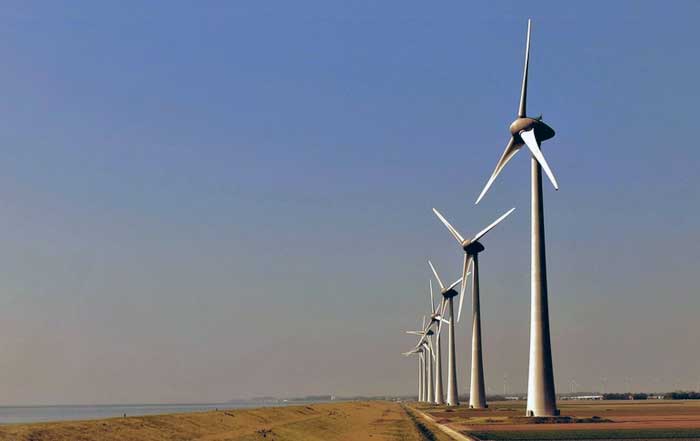
Energy-intensive industries in regions such as North America, Europe, and Asia-Pacific are increasingly turning to on-site solar, wind, and battery storage, supported by digital energy management systems that continuously optimize consumption. Organizations that follow the guidance of bodies like the International Energy Agency and learn more about sustainable business practices are finding that initial capital expenditures are offset by lower operating expenses over time, often with payback periods of only a few years. Major technology firms including Apple, Google, and Microsoft have already shifted large portions of their data center and office portfolios to renewable energy, locking in predictable long-term energy costs while signaling climate leadership to regulators and enterprise customers.
Beyond energy, resource efficiency and waste reduction are now central pillars of cost management. Manufacturers in Germany, Japan, and South Korea increasingly design production systems based on circular principles, where materials are recovered, remanufactured, and reintroduced into the value chain. This approach reduces exposure to raw material price swings and supply disruptions, which became painfully evident during the pandemic-era logistics crisis. Organizations such as Unilever and Siemens have publicly reported hundreds of millions of euros in savings from waste reduction and process optimization, illustrating how sustainability-led redesigns of facilities, packaging, and logistics can translate directly into margin improvement. Businesses seeking to understand how these operational shifts intersect with broader technological change can explore the role of technology in sustainable business and its impact on cost and risk profiles.
Sustainable Supply Chains and Risk Management
Supply chains are now one of the most scrutinized dimensions of corporate sustainability, and they represent an area where cost, risk, and reputation intersect. Companies in United States, United Kingdom, Netherlands, and Switzerland, as well as production hubs across Asia, are mapping their supplier networks in unprecedented detail, driven by regulatory requirements, investor pressure, and heightened social expectations. Organizations that integrate digital tools, including artificial intelligence, advanced analytics, and the Internet of Things, can forecast disruptions, optimize transport routes, and reduce inventory waste while also minimizing emissions across the value chain.
Global initiatives such as the Science Based Targets initiative and frameworks from the World Resources Institute guide companies in setting emissions reduction goals that extend beyond their own operations to encompass suppliers and logistics partners. By engaging suppliers on energy efficiency, deforestation-free sourcing, and human rights, multinationals reduce reputational and legal risk while improving quality and reliability. In sectors such as automotive, electronics, and apparel, where supply chains stretch from China and Thailand to Mexico and Brazil, the cost of failing to manage environmental and social risks can be severe, ranging from production halts to consumer boycotts. Businesses that follow these best practices are better positioned to withstand geopolitical tensions, climate-related disruptions, and new reporting rules that increasingly require visibility into Scope 3 emissions.
For readers of business-fact.com, this trend underscores how sustainability has become a core element of risk management, rather than a public relations exercise. It also highlights the importance of innovation, as companies deploy new technologies and data platforms to track, verify, and optimize the sustainability performance of their global networks, a theme explored further in our coverage of innovation and digital transformation.
Winning Customers in a Sustainability-Driven Marketplace
Consumers in 2026 are more informed, more demanding, and more vocal about environmental and social issues than at any previous time. In markets such as Germany, Canada, Australia, Nordic countries, United States, and United Kingdom, surveys by organizations including NielsenIQ and McKinsey & Company consistently show that a majority of consumers prefer brands that demonstrate credible sustainability commitments, and a significant portion are willing to pay a premium for products with lower environmental impact. This shift is particularly pronounced among younger generations in Europe, North America, and Asia, who use digital tools to research company practices and share their views widely.
Companies like Patagonia, IKEA, and Tesla have built powerful brand equity by embedding sustainability into product design, supply chain decisions, and corporate purpose. They communicate clearly about materials, emissions, and repairability, and they back their claims with third-party certifications and transparent reporting. Their experience demonstrates that eco-friendly value propositions can attract loyal customers, reduce price sensitivity, and create communities of advocates who amplify brand messages organically. Businesses that wish to understand how these trends affect global demand can explore the evolving global economy and the role of sustainability in shaping trade and consumption patterns.
At the same time, the risk of "greenwashing" has never been higher. Regulators in the European Union, United States, and United Kingdom have begun scrutinizing environmental claims in advertising and product labeling, while activist investors and NGOs use data from sources like CDP and the Task Force on Climate-related Financial Disclosures to challenge companies whose rhetoric is not matched by measurable action. Trustworthiness, therefore, is built not only on ambitious targets but also on credible disclosure and third-party verification, making sustainability reporting a strategic discipline rather than a compliance burden.
Regulatory Pressure and the Economics of Compliance
From 2024 through 2026, regulatory frameworks related to climate and sustainability have tightened significantly, particularly in Europe, North America, and parts of Asia-Pacific. The European Union's Corporate Sustainability Reporting Directive (CSRD), the EU Taxonomy for Sustainable Activities, and the Carbon Border Adjustment Mechanism (CBAM) are redefining how companies measure, disclose, and price environmental impacts. These frameworks require detailed reporting on emissions, resource use, and social factors, and they increasingly influence which activities qualify for favorable financing and public procurement. Businesses that wish to understand the macroeconomic implications of these shifts can learn more about the global economy and how policy trends shape investment flows.
In the United States, the Securities and Exchange Commission has moved toward more stringent climate disclosure requirements for listed companies, while states such as California have introduced their own climate accountability laws. In United Kingdom, Canada, Japan, and Singapore, national regulators are aligning with global standards promoted by bodies such as the International Sustainability Standards Board (ISSB) and the OECD, creating a more harmonized expectations landscape for multinational corporations. Non-compliance increasingly carries financial consequences, from fines and legal liabilities to exclusion from public contracts and sustainable finance classifications.
For businesses that anticipate and respond proactively, however, regulation can become a source of competitive advantage. Companies that invest early in robust data systems, governance structures, and assurance processes can comply at lower marginal cost and use their enhanced transparency to build trust with investors, customers, and employees. This is particularly evident in sectors such as banking, insurance, and asset management, where regulators now expect climate risk to be integrated into stress testing, capital allocation, and product design. The organizations that demonstrate expertise and authoritativeness in this domain are best placed to capture emerging opportunities in sustainable finance.
Green Finance, Investment Flows, and Capital Markets
Capital markets have become one of the most powerful catalysts for sustainable business transformation. By 2026, assets under management in funds labeled as ESG, sustainable, or climate-focused have grown substantially, with institutional investors in Norway, Sweden, Switzerland, Japan, and United Kingdom playing leading roles. Large asset owners such as Norges Bank Investment Management, Japan's Government Pension Investment Fund, and major European pension funds have tightened their expectations on climate risk disclosure and decarbonization pathways, increasingly divesting from companies that fail to align with net-zero trajectories.
Green bonds, sustainability-linked loans, and transition finance instruments are now mainstream tools used by corporations and sovereigns alike, guided by principles from the International Capital Market Association and verification from independent agencies. Banks that have committed to alliances such as the Net-Zero Banking Alliance are adjusting their lending portfolios toward lower-carbon sectors, while development finance institutions and multilateral banks prioritize climate-resilient infrastructure and clean energy projects. Organizations that wish to understand how these shifts affect corporate financing can explore investment strategies for sustainable growth and their implications for valuation and capital access.
For founders and high-growth companies, sustainability has become a central consideration in venture capital and private equity. In hubs such as Berlin, Stockholm, London, Singapore, and San Francisco, investors actively seek startups that address climate, energy, circularity, and resource efficiency challenges. Companies like Northvolt in Sweden, Climeworks in Switzerland, and numerous climate-tech ventures across United States and Asia have secured multi-billion-dollar funding rounds by positioning themselves as enablers of the low-carbon transition. Readers interested in how entrepreneurial ecosystems are evolving can examine the profiles and strategies of founders building businesses around sustainability-driven innovation.
Employment, Skills, and the Green Workforce Transition
The transition to a sustainable economy is reshaping labor markets and skills requirements worldwide. The International Labour Organization and World Economic Forum estimate that millions of new jobs will be created in renewable energy, energy efficiency, sustainable agriculture, green construction, and environmental services by the early 2030s, even as some roles in high-emission sectors decline. Countries such as Germany, Denmark, South Korea, and Canada are investing heavily in reskilling and upskilling programs to prepare workers for opportunities in wind and solar installation, electric vehicle manufacturing, hydrogen infrastructure, and circular economy services.
At the same time, sustainability is influencing employer branding and workforce expectations. Professionals in United States, United Kingdom, France, Netherlands, and Australia increasingly evaluate potential employers through the lens of environmental and social performance, using platforms like LinkedIn and sustainability ratings to assess corporate culture and impact. Organizations that articulate credible climate strategies and embed environmental objectives into their mission statements are more likely to attract and retain top talent, particularly among younger demographics. For a deeper understanding of how these dynamics play out across industries, readers can explore sustainability-driven employment trends and their implications for HR and leadership.
Technology, Artificial Intelligence, and Data-Driven Sustainability
Digital transformation is now inseparable from sustainable business strategy. Advanced analytics, artificial intelligence, and cloud computing are enabling companies to measure, manage, and reduce their environmental footprint with unprecedented precision. Energy management platforms use real-time data from sensors and smart meters to optimize heating, cooling, and industrial processes, while AI algorithms forecast demand and adjust production schedules to minimize waste. Companies such as IBM, Siemens, and Schneider Electric have developed integrated solutions that help clients reduce emissions and operating costs simultaneously.
In supply chains, AI-powered tools predict disruptions caused by extreme weather or geopolitical events, allowing companies to reroute shipments or adjust sourcing strategies before problems escalate. In agriculture, precision farming technologies use satellite imagery, drones, and data analytics to optimize water use, fertilizer application, and crop health, contributing to both higher yields and lower environmental impact. Organizations that wish to understand how these tools intersect with broader trends in technology and innovation can find extensive coverage on business-fact.com, where the emphasis is on practical applications and measurable outcomes.
Blockchain and distributed ledger technologies are also gaining traction as mechanisms for enhancing transparency and trust in sustainability claims. By creating immutable records of material origin, production conditions, and carbon intensity, companies in sectors such as luxury goods, food and beverage, and critical minerals can provide verifiable assurances to regulators and consumers. Firms in France, Italy, Singapore, and Japan increasingly adopt these systems to differentiate their products and protect brand integrity in markets where authenticity and sustainability are closely linked.
Circular Economy and Sustainable Business Models
The circular economy has evolved from a conceptual framework into a concrete set of business models that generate revenue while reducing environmental impact. Companies in Europe, Asia-Pacific, and North America are experimenting with product-as-a-service offerings, take-back schemes, remanufacturing, and materials recovery at scale. Organizations such as Philips, IKEA, Adidas, and Dell Technologies have demonstrated that designing products for durability, repairability, and recyclability can unlock new revenue streams and reduce dependence on volatile raw material markets.
In consumer markets, subscription models for electronics, furniture, and clothing are gaining momentum, particularly in urban centers where younger consumers value access and sustainability over ownership. Industrial players are recovering valuable metals and components from end-of-life equipment, creating closed-loop systems that both reduce waste and secure critical inputs. Companies that wish to deepen their understanding of these models can explore sustainable innovation strategies and how they intersect with profitability, risk mitigation, and regulatory compliance.
For investors and executives, the circular economy represents not only an environmental imperative but also a strategic response to resource constraints, geopolitical tensions, and changing customer expectations. It requires a shift from linear thinking-take, make, dispose-to systems thinking, where value is created through continuous loops of use, reuse, and regeneration.
Marketing, Communication, and the Credibility Challenge
As sustainability becomes a core differentiator, marketing and communication strategies must evolve to emphasize substance over slogans. Effective sustainability communication in 2026 is grounded in data, transparency, and independent verification. Brands that provide clear information about carbon footprints, supply chain practices, and social impact, supported by frameworks such as B Corporation certification, Carbon Trust labeling, or alignment with UN Sustainable Development Goals, are more likely to earn customer trust and investor confidence.
Digital channels play a crucial role in this process. Websites, social media, and investor presentations increasingly feature sustainability dashboards, lifecycle assessments, and progress updates toward net-zero targets. However, audiences are quick to challenge inconsistencies or superficial messaging, particularly in regions with active civil societies such as Europe, North America, and parts of Asia. As a result, marketing teams must work closely with sustainability, finance, and operations functions to ensure that narratives reflect actual performance. Readers seeking practical guidance on how to position sustainability as a growth driver can explore evolving marketing strategies that integrate environmental and social value propositions.
For business-fact.com, this emphasis on credibility aligns with our commitment to experience, expertise, authoritativeness, and trustworthiness. The platform's analysis focuses on organizations that demonstrate measurable progress, robust governance, and transparent reporting, rather than those relying solely on aspirational statements.
Global Perspectives and Emerging Market Opportunities
While advanced economies have often led in setting sustainability standards, emerging markets in Asia, Africa, and South America are increasingly central to the global transition. Countries such as India, Brazil, South Africa, Malaysia, and Thailand are expanding renewable energy capacity, investing in climate-resilient infrastructure, and implementing regulations that encourage cleaner industries. At the same time, they face distinct challenges related to development needs, energy access, and fiscal constraints.
International frameworks led by organizations like the United Nations Environment Programme and the World Bank aim to mobilize climate finance and technology transfer to support these transitions. For businesses and investors, these regions offer significant growth opportunities in areas such as distributed solar, electric mobility, sustainable agriculture, and green buildings. Companies that understand local contexts, engage with communities, and align with national development priorities can build durable positions in markets that will drive much of the world's demand growth in the coming decades.
For readers of business-fact.com, following these developments is essential to understanding the future of global business, as sustainable growth in emerging markets will influence trade flows, supply chains, and investment strategies across all major regions.
Conclusion: Sustainability as a Strategic Imperative for the Next Decade
By 2026, the evidence is clear: sustainability has become a defining feature of competitive strategy in global business. Organizations that integrate eco-friendly practices into their operations, supply chains, products, and governance structures are realizing tangible benefits in cost savings, risk reduction, customer acquisition, employee engagement, and access to capital. Those that delay are increasingly exposed to regulatory penalties, investor divestment, reputational damage, and operational disruption.
For executives, investors, founders, and professionals across North America, Europe, Asia-Pacific, Africa, and South America, the central question is no longer whether to engage with sustainability, but how to do so with depth, credibility, and strategic focus. This requires investment in data and digital tools, alignment with evolving regulatory standards, collaboration across sectors, and a commitment to transparency that can withstand scrutiny from stakeholders worldwide.
As a platform dedicated to delivering rigorous, business-focused analysis, business-fact.com will continue to track these developments across news, technology, investment, crypto, and broader business trends. In a world where sustainability and profitability are increasingly intertwined, informed decision-making depends on understanding how environmental, social, and governance factors shape value creation. The companies that recognize this reality and act decisively will define the next generation of market leaders.